Intro
In this post, I will continue to discuss the D365 Project Operations integration with D365 Finance and Operations with illustrating some specific processes that can be implemented by using PO and FO.
Content
As outlined in other posts, it is necessary to define, which processes (e.g., alongside the Microsoft Business Process Catalogue (see Resources section)) are done solely in PO or FO and which processes involve both applications.
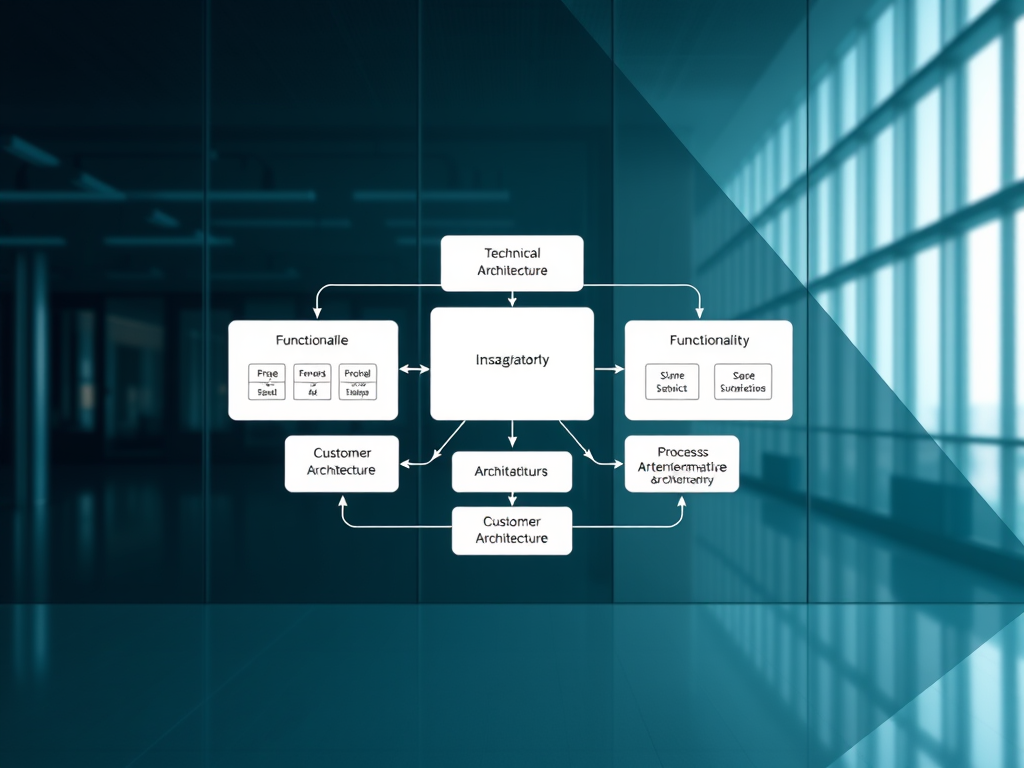
Therefore, I recommend to start with an process-focused architecture diagram (see Resources section again for more information on diagrams), illustrating the main processes to be implemented and the applications.

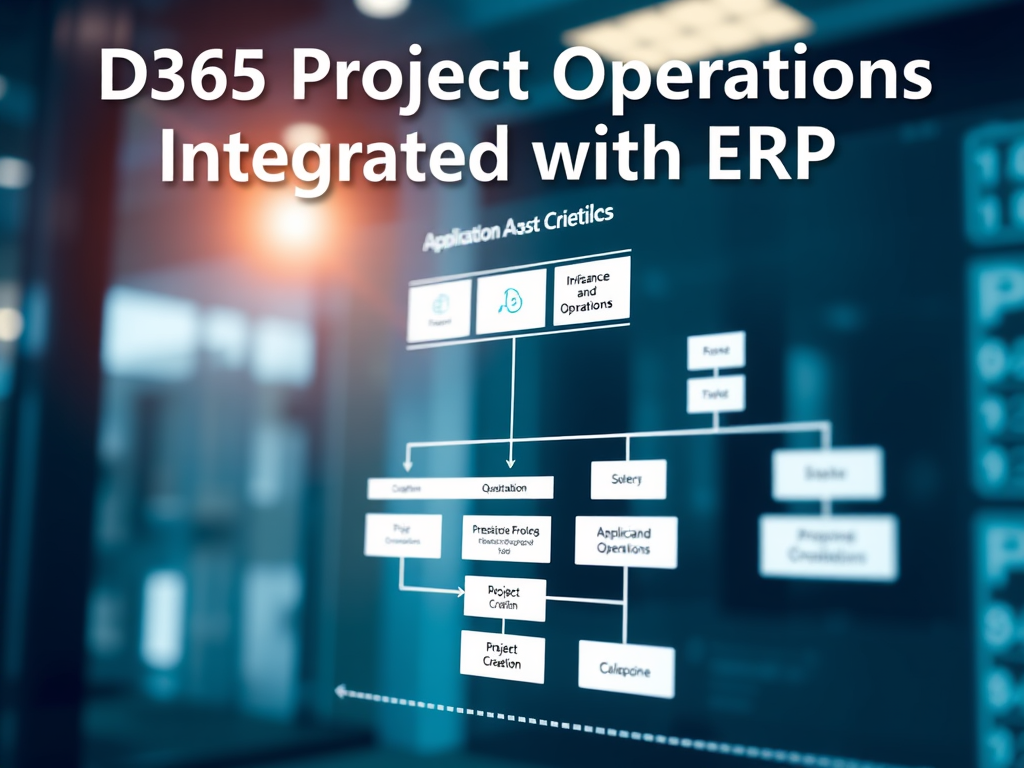
In this example, you can see that the quotation process involves both applications. The choice of processes depends on the content of quotations, since we had also the requirement to implement a process to create quotes for Subscription Billing services that were not implemented in Project Operations, since this functionality does not exist in Project Operations.
Therefore, we created a decision tree to draw attention to the choice of applications and processes.

Heuristics were, for example:
- Time postings are done in PO and are invoiced in FO.
- Project Quotations are done in PO, everything that is invoiced is done in FO.
- All recurring transactions are done and invoiced in FO, all one-time-transactions are done in PO and invoiced in FO.
From here, I would recommend to outline every single process and describe and demonstrate it in PO or FO. The target is to make clear that there are processes that…
- …involve solely PO.
- …involve PO and FO
- …involve FO alone.
For example, in this scenario the project creation process does start in D365PO. When a user creates a project, the project itself is shown in FO with a LookUp to PO. This means from an on-hand perspective, that whenever you would click on a project number in FO, the application would link you to PO.
Time entries are also created, submitted, and approved in PO. The financial aspect of these postings are defined in FO. They are sent via an integrated functionality („Dual Write“) and the logical entitiy „Integration Journal“ to FO. Then, everything that belongs to the financial perspective of these transactions is evaluated, confirmed and processed in FO. Ultimately, it leads to a project invoice to the customer and also to cost prices which have an impact on the P&L managed in FO.
To be continued…
Summary
- Make a clear outline, which processes involve which application when.
- Use diagrams to illustrate it.